
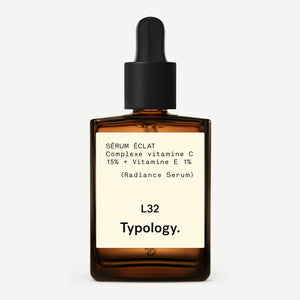
Radiance Serum 0.50 fl.oz.
Selection
Our bestsellers:


LAB1019-30ml-SG
The combination of an exfoliating agent, in this case PHA, known for its resurfacing and unifying action, and a regenerating agent, centella asiatica, helps to gradually improve the appearance of post-acne scars.
The Mark-Fading Serum L64 is suitable for skin with irregularities and post-acne marks. It will be effective in improving the appearance of superficial, closed, and shallow scars.
The texture of the Mark-Fading Serum L64 is a light, water-based gel that quickly absorbs into the skin without leaving a greasy or sticky finish.
PHA 14%:
This polyhydroxy acid, also known as gluconolactone, provides a peeling action. It promotes the removal of dead skin cells and reduces the number of inflamed lesions caused by acne. The skin becomes smoother and more even-toned.
Also recognized for its moisturizing properties, it captures and retains water in the epidermis, thereby reducing skin dryness.
Centella asiatica:
Known for helping to reshape the texture of marked skin, centella asiatica improves the density of the dermis. It reduces skin inflammations and soothes the skin.
Licorice extract:
Rich in glabridin, a molecule known for reducing melanin production, this active ingredient derived from licorice decreases hyperpigmentation of post-acne marks.
Product composed of a glass bottle, a glass dropper, and a recyclable Polypropylene (PP) ring.
The nitrile pacifier should be disposed of in the household waste bin.
Do not apply the anti-blemish serum on open wounds.
Avoid contact with eyes. In case of contact, rinse thoroughly with clear water.
14 ingredients.
98% naturally derived.
Aqua (Water), Gluconolactone, Butylene Glycol, Pentylene Glycol, Sodium Citrate, Sodium Hydroxide, Centella Asiatica Leaf Cell Extract, Asiaticoside, Madecassic Acid, Glycyrrhiza Glabra Root Extract, Glycerin, Asiatic Acid, Citric Acid, Xanthan Gum.
The lists of ingredients used in the composition of our brand's products are regularly updated. Before using a product from our brand, you are encouraged to read the list of ingredients on its packaging to ensure that the ingredients are suitable for your personal use.
Apply a drop of the Mark-Fading Serum L64 locally to the affected areas, only in the evening.
The reduction of post-acne marks will be noticeable after 6 to 8 weeks of use. A 15 ml bottle corresponds to an average of 4 to 6 weeks of use.
High-concentration PHA can lead to the formation of micro-crystals in the bottle, shake before use if necessary.
The Anti-Marks Serum L64 is suitable for skin with irregularities and post-acne marks. It will be effective in improving the appearance of superficial, closed, and shallow scars.
Glycolic acid is more aggressive, so it is advised not to combine it with other acids. There are no contraindications for combining with other serums.
This product can improve the appearance of old scars if they are superficial and shallow.
It can be paired with retinol, but using glycolic acid with other acids is not recommended.
Yes, they complement each other.
Compatibility with other brands is not confirmed. The anti-marks serum targets recent and old superficial marks and should not be applied to blemishes, only post-acne marks.
There are no contraindications to using both serums, but the anti-mark serum should only be applied to post-acne marks, not open wounds.
The active molecules work differently. Alpha arbutin serum reduces melanin synthesis, decreasing pigmentation spots and preventing new ones. The anti-spot serum exfoliates the skin, smoothing out irregularities and evening skin tone. They are complementary.
To minimize risk, it is recommended to apply this product only in the evening.
They can be combined and applied like other serums in no particular order.
Yes, there are no contraindications.
Yes, they can be used together in no particular order.
Yes, these serums can be combined. The local imperfections serum should be used last as it is applied locally.
Yes, the serum should be applied before the moisturizer.
Yes, the local imperfections serum should be applied last.
Yes, these products can be combined.
The "Anti-Mark Serum with 14% PHA + Centella Asiatica" is formulated to improve the appearance of superficial, healed, and shallow scars, including dark spots from acne. PHA provides exfoliation, and Centella Asiatica aids skin regeneration, improving post-acne scars over time. Optimal results are seen over six to eight weeks.
The Anti-Scarring Serum improves superficial, healed, and shallow acne scars. For brown spots, the Hyperpigmentation and Loss of Firmness serum is recommended, targeting pigmentation by inhibiting melanin synthesis. Results vary as every skin reacts differently.
The "Anti-Mark Serum with 14% PHA + Centella Asiatica" is optimized for the face, not the body. For legs, products specifically formulated for the body are recommended.
No, this serum is intended for topical application and is not used as an exfoliant.
Pairing the anti-dark spot serum in the evening with the unifying serum in the morning is recommended. They complement each other to even out skin tone and reduce pigment scars from acne. The niacinamide serum targets redness from imperfections and can improve skin texture.
It is not advisable to combine two PHA-containing products if they are not rinsed.
Yes, it is effective on all post-inflammatory hyperpigmentation spots.
Pairing the anti-dark spot serum in the evening with the unifying serum in the morning is recommended. They complement each other to even out skin tone and reduce pigment scars from acne. The niacinamide serum targets redness from imperfections and can improve skin texture.
The serum is not contraindicated for pregnant or breastfeeding women. If contraindicated, it will be mentioned in the precautions for use section.
The active molecules work differently. Alpha arbutin serum reduces melanin synthesis, decreasing pigmentation spots and preventing new ones. The anti-mark serum exfoliates the skin, smoothing out irregularities and evening skin tone. They are complementary.
The PHA 14% + Centella Asiatica anti-marks serum is designed for superficial and post-acne scars. It is recommended to use it only when acne is healed and wounds are closed.
No, the formula is described as fast-absorbing with a non-greasy, non-sticky finish. This makes it comfortable for those who prefer lightweight textures.
This serum is specifically indicated for skin with irregularities and post-acne marks. It may help improve the appearance of uneven texture and shallow residual marks.
Yes, the resurfacing action of PHA helps remove dead skin cells, which may help refine the skin’s surface. With continued use, skin may appear smoother and more even.
Yes, the formula is designed to support a more even-toned appearance through exfoliation and the inclusion of licorice extract. These ingredients may help reduce the visible contrast of post-acne marks over time.
Yes, the formula includes licorice extract, which is rich in glabridin, an ingredient known for reducing melanin production. This may help decrease the appearance of hyperpigmentation linked to post-acne marks.
Yes, gluconolactone is also recognized for its moisturizing properties. It helps capture and retain water in the epidermis, which supports reduced skin dryness.
Centella asiatica is known for helping reshape the texture of marked skin and improving dermal density. It also helps soothe the skin and reduce visible signs of inflammation.
If your skin is very reactive or you are using prescription skincare, it is best to consult a dermatologist before adding a new exfoliating product. This can help you choose a routine that is appropriate for your skin situation.
Yes, the product is made with 98% naturally derived ingredients. This information refers to the overall composition as provided by the brand.
The product comes in a glass bottle with a glass dropper and a recyclable polypropylene ring. The nitrile pacifier should be disposed of in the household waste bin.
Yes, the serum has a light, water-based gel texture. It absorbs quickly without leaving a greasy or sticky finish.
The formula contains 14 ingredients and is centered around a few key actives: PHA, Centella asiatica, and licorice extract. This may appeal to those looking for a concise ingredient list.
The formula includes gluconolactone, which is known for both resurfacing and moisturizing properties. It helps retain water in the epidermis, which may support comfort by reducing skin dryness.
Yes, it should not be applied to open wounds. You should also avoid contact with the eyes, and rinse thoroughly with clear water if contact occurs.
The 14% PHA, also called gluconolactone, provides a peeling action that promotes the removal of dead skin cells. It also helps smooth the skin and make the complexion appear more even-toned.
Its resurfacing effect comes from 14% PHA, or gluconolactone, which provides a peeling action. This helps remove dead skin cells and supports a smoother-looking skin surface.
The formula contains 14 ingredients, including gluconolactone, Centella asiatica leaf cell extract, asiaticoside, madecassic acid, licorice root extract, glycerin, and asiatic acid. The full ingredient list is provided on the packaging and should be checked before use.
According to the product information, it is intended to improve the appearance of superficial, closed, and shallow scars. It is presented as particularly suited to marks left after acne.
The brand notes that ingredient lists are regularly updated. Before use, it is recommended to read the list on the product packaging to make sure the ingredients are suitable for your personal use.
This serum is particularly suited for skin with irregularities and post-acne marks. It may help improve the appearance of superficial, closed, and shallow scars while supporting a smoother-looking skin texture.
The pH of the serum is between 3.8 and 4.5.
